
Join us at the Garden club!
We are pleased to announce that the Garden Club is now back! Come along every Fridays @ 10-11am and join in on the Fun, We want to show you that being outdoors can be both fun and educational no matter what the weather!

We are pleased to announce that the Garden Club is now back! Come along every Fridays @ 10-11am and join in on the Fun, We want to show you that being outdoors can be both fun and educational no matter what the weather!

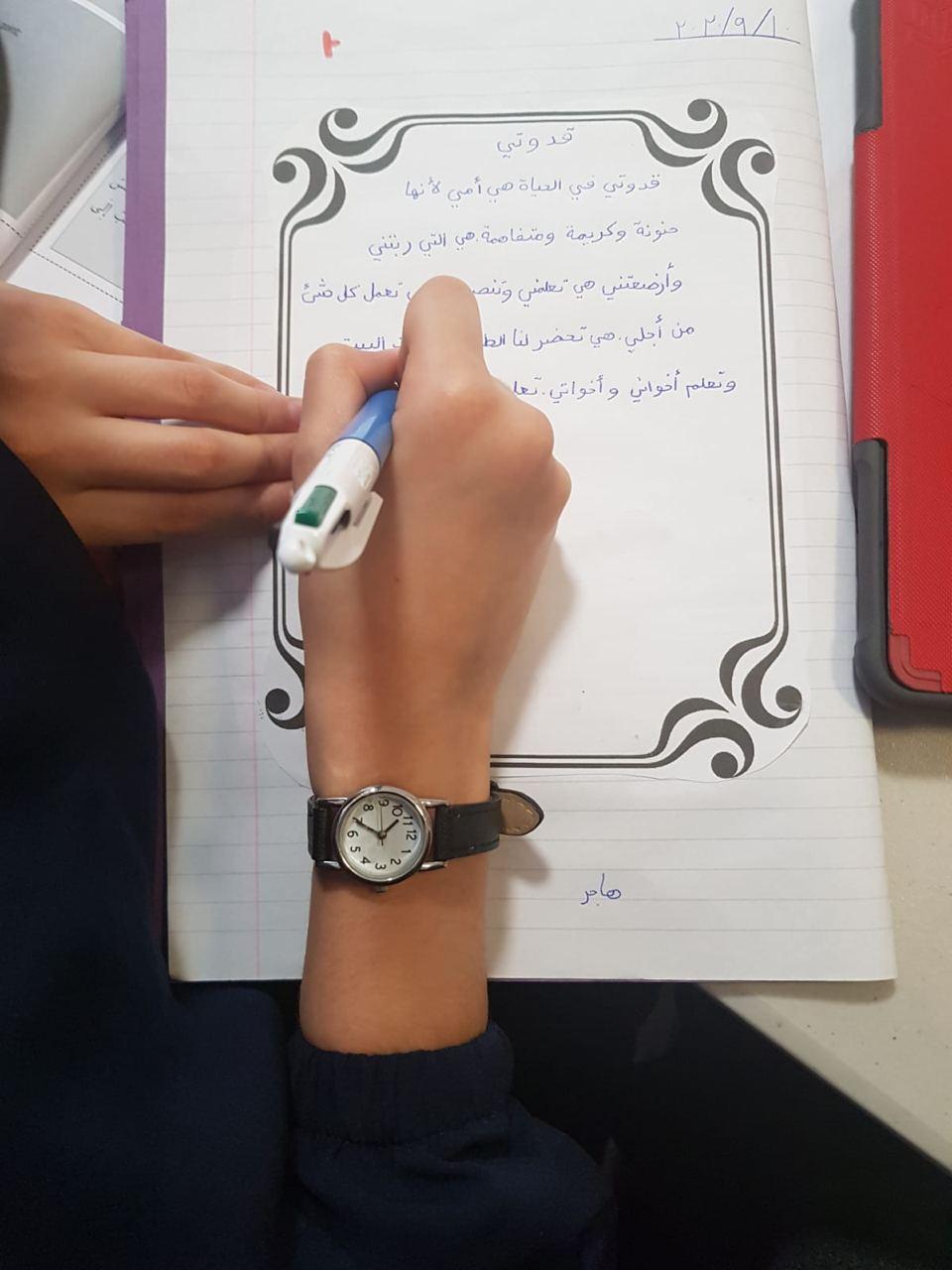
Arabic handwriting is part of the Tuition club curriculum and this week our children have been strengthening their familiarity with their Arabic penmanship. The students have been writing about various topics in Arabic in order for them to use their new vocabulary. This will aid our students to learn and read Arabic fluently. The Arabic language is an essential part of a Muslim’s life and the recitation of the Qurʾān is the primary goal for Muslims and the Tuition Club emphasises on understanding as well as reading and writing in Arabic. This will positively build and shape their character and Muslim tarbiyah in sha ‘Allah.


When nights get longer than days, we know it’s time to prepare our learning garden area for the winter. We have been grabbing those last few sunny days, embracing the chill and relishing the chance to get outside!
Keeping the growing area healthy with our herbs;
and our precious fruit trees
And finally, Look after your precious soil. We have enjoyed the Autumn tasks–remember everything you do now gets you ready for the next great spring!

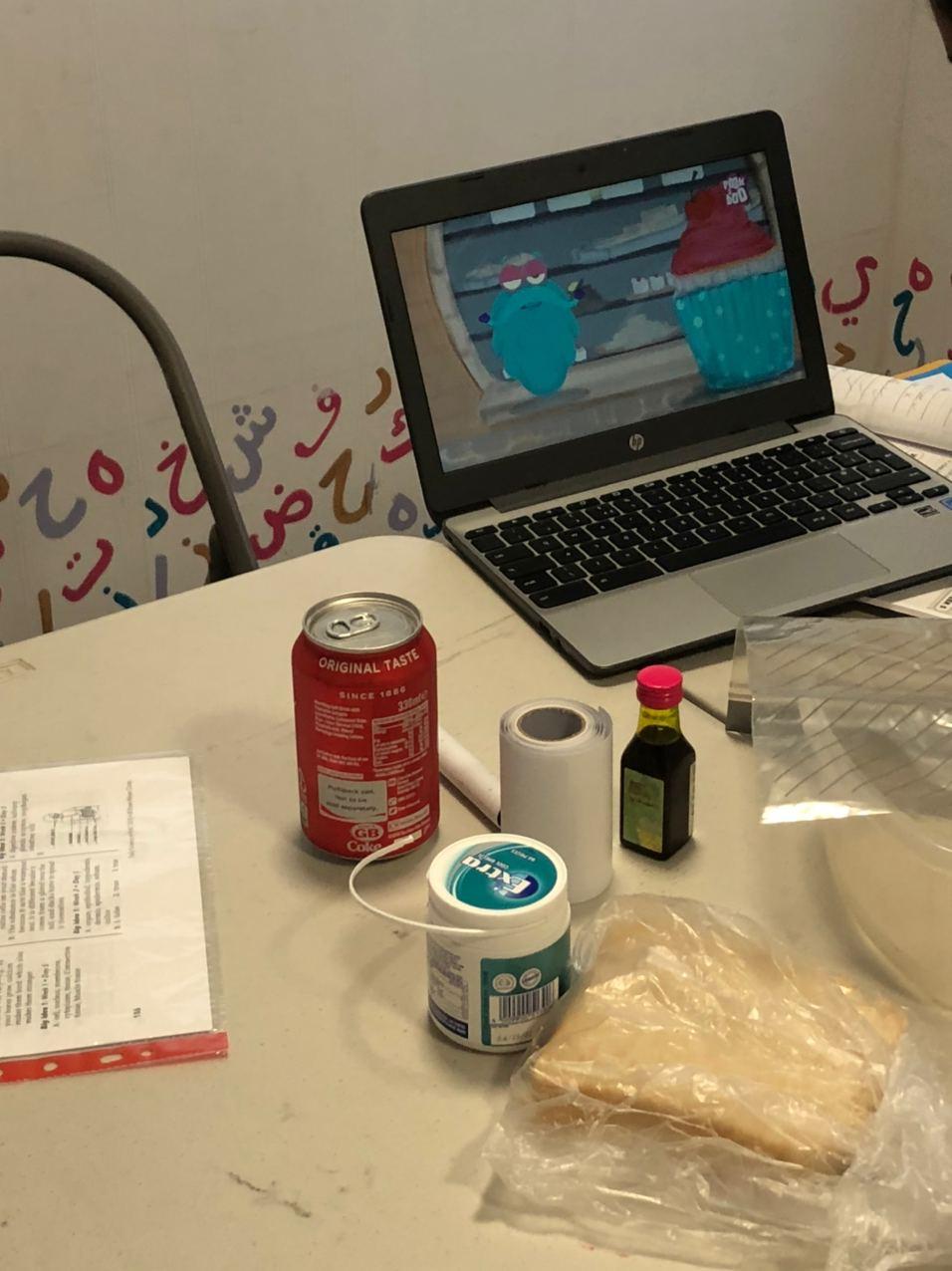
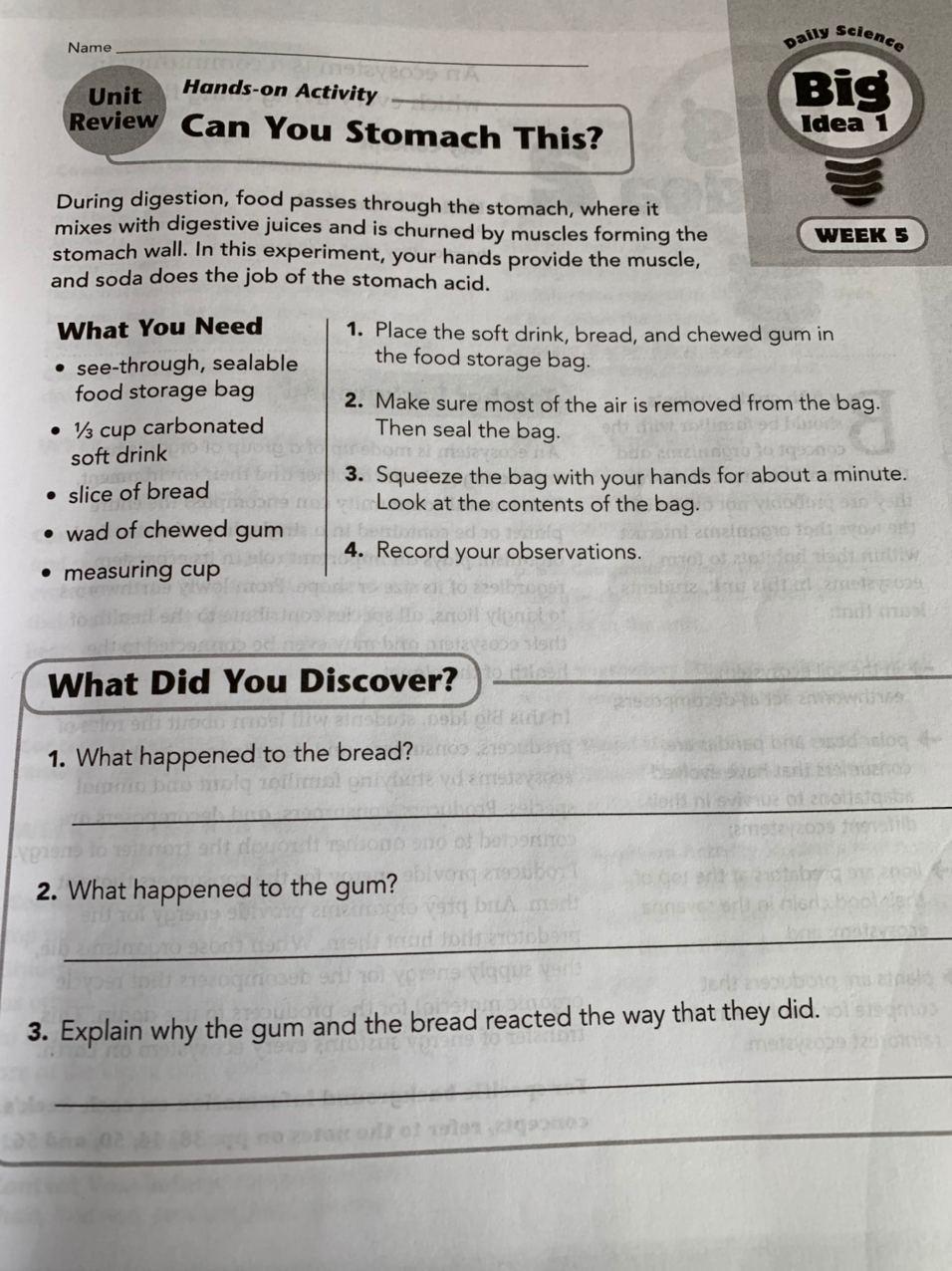
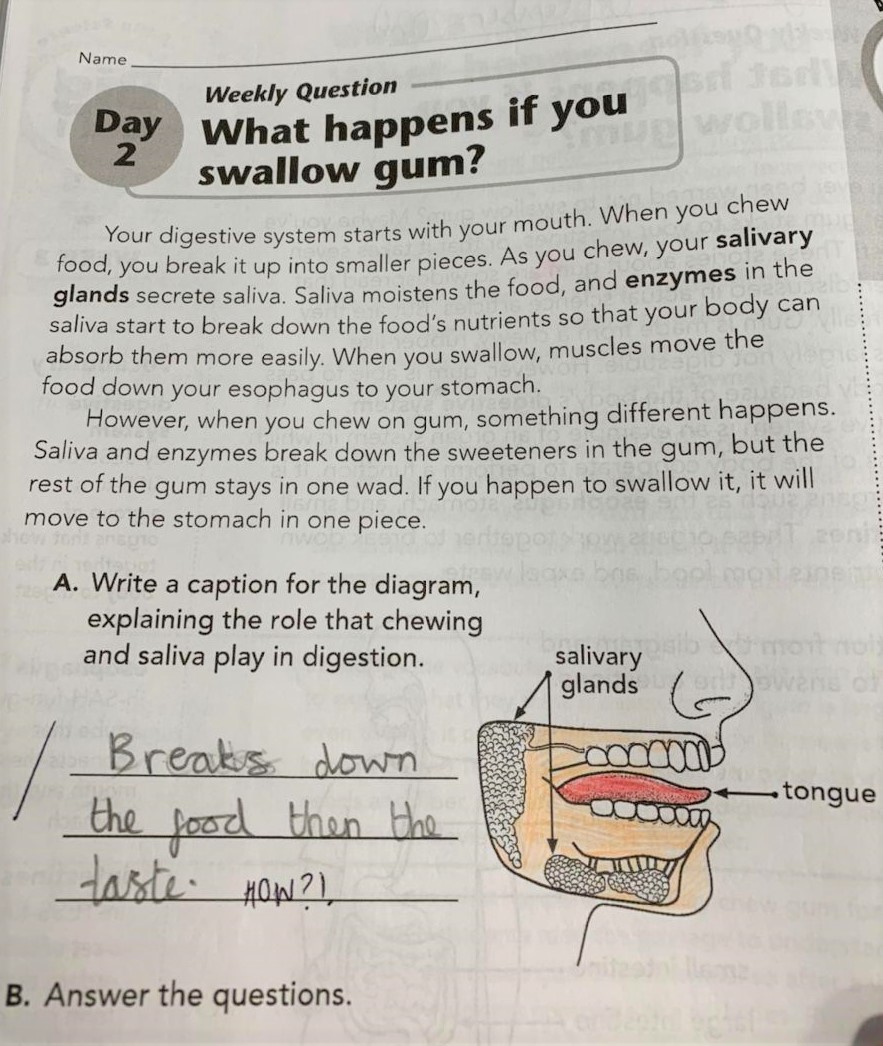
Class 9-10 have been on a digestion journey this week during their science lesson! Over the past several weeks, the students have learned about the human digestion process from saliva breaking down your food to it passing through the stomach to the small and large intestines. For this weeks science experiment, the children were able to see the process of what stomach acid does to food. During digestion, food passes through the stomach, where it mixes digestive juices and is churned by muscles forming the stomach wall. The students provided the muscles and the soft drink for the stomach acid. The children placed a soft drink, bread and chewed gum in a food storage bag. They squeezed the bag with their hands for about a minute. The children were able to record thier observations and wrote down what they discovered. What happened to the bread? what happened to the gum? By the end of the session, the children were able to write up and explain why the gum and bread reacted in the way that it did using the correct scientific vocabulary in their workbooks!

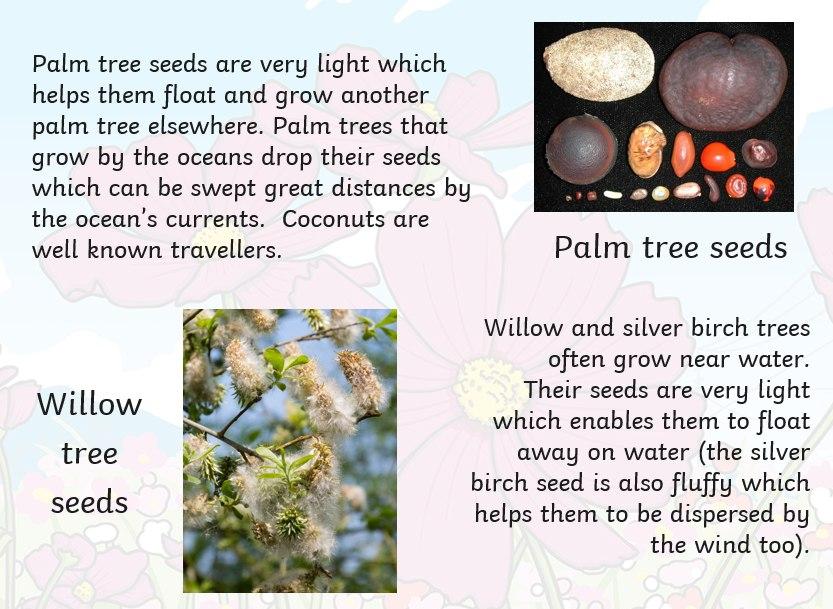
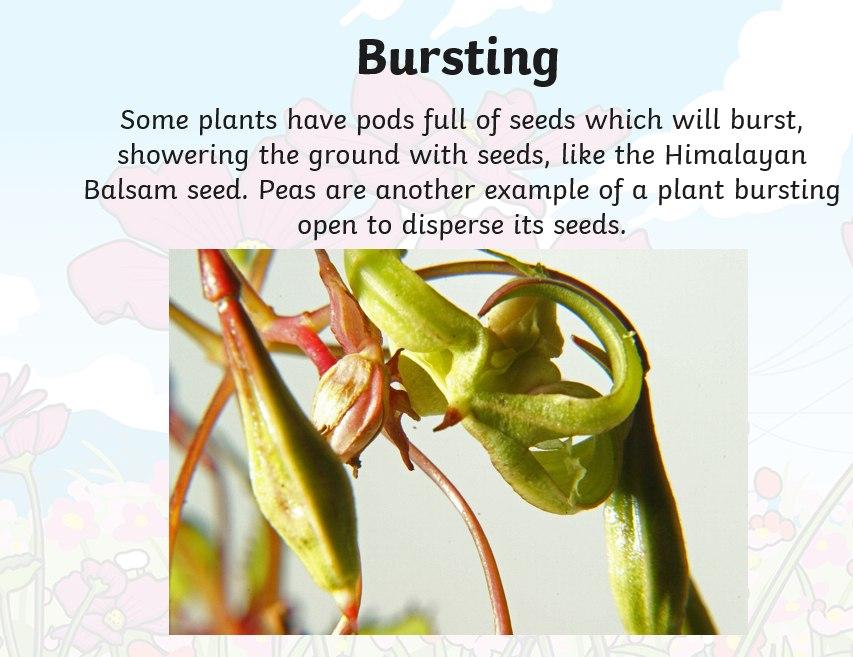
Class 8-9 have been learning all about different types of seeds and seed dispersal, Our students have discovered different types of seeds found in all types fruit. They were able to identify the different shapes, sizes and colours of seeds from different fruits. Some plants make tasty fruits. This is to encourage animals (and people!) to eat the fruits. The seeds then pass through the animal unharmed and out the other end with a ready supply of fertiliser (not tasty in the slightest…quite the opposite!). This method ensures the seed is given nutrients to help it grow.

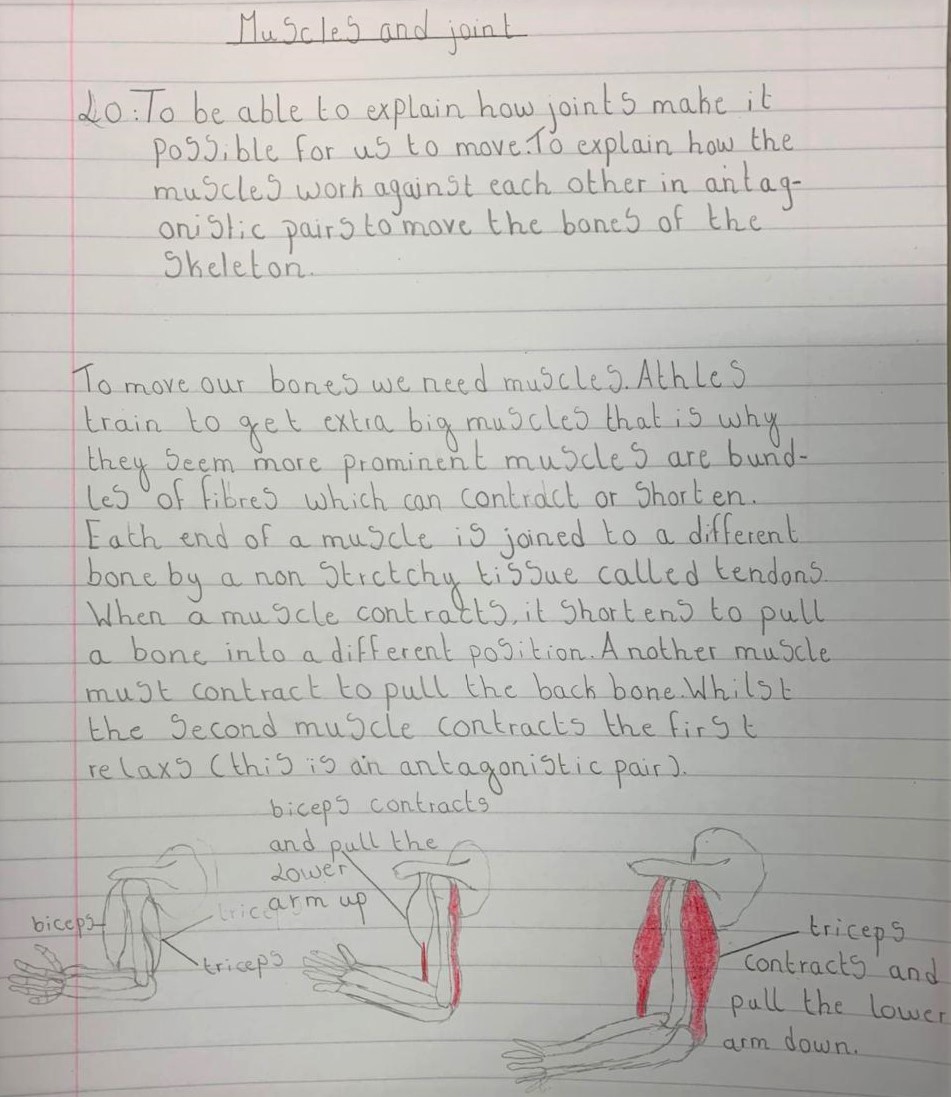
Our Home- schooled students aged 11-12, have been learning all about the muscles and joints in the human body! Muscles move body parts by contracting and then relaxing. Muscles can pull bones, but they can’t push them back to the original position. So they work in pairs of flexors and extensors. The flexor contracts to bend a limb at a joint. A joint is the part of the body where two or more bones meet to allow movement. Generally speaking, the greater the range of movement, the higher the risk of injury because the strength of the joint is reduced. The students have done various exercises and have investigated what happens when they tense their muscles by using the muscle ‘scrunch and relax’ method. They can now successfully label different muscles and joints within the human body!

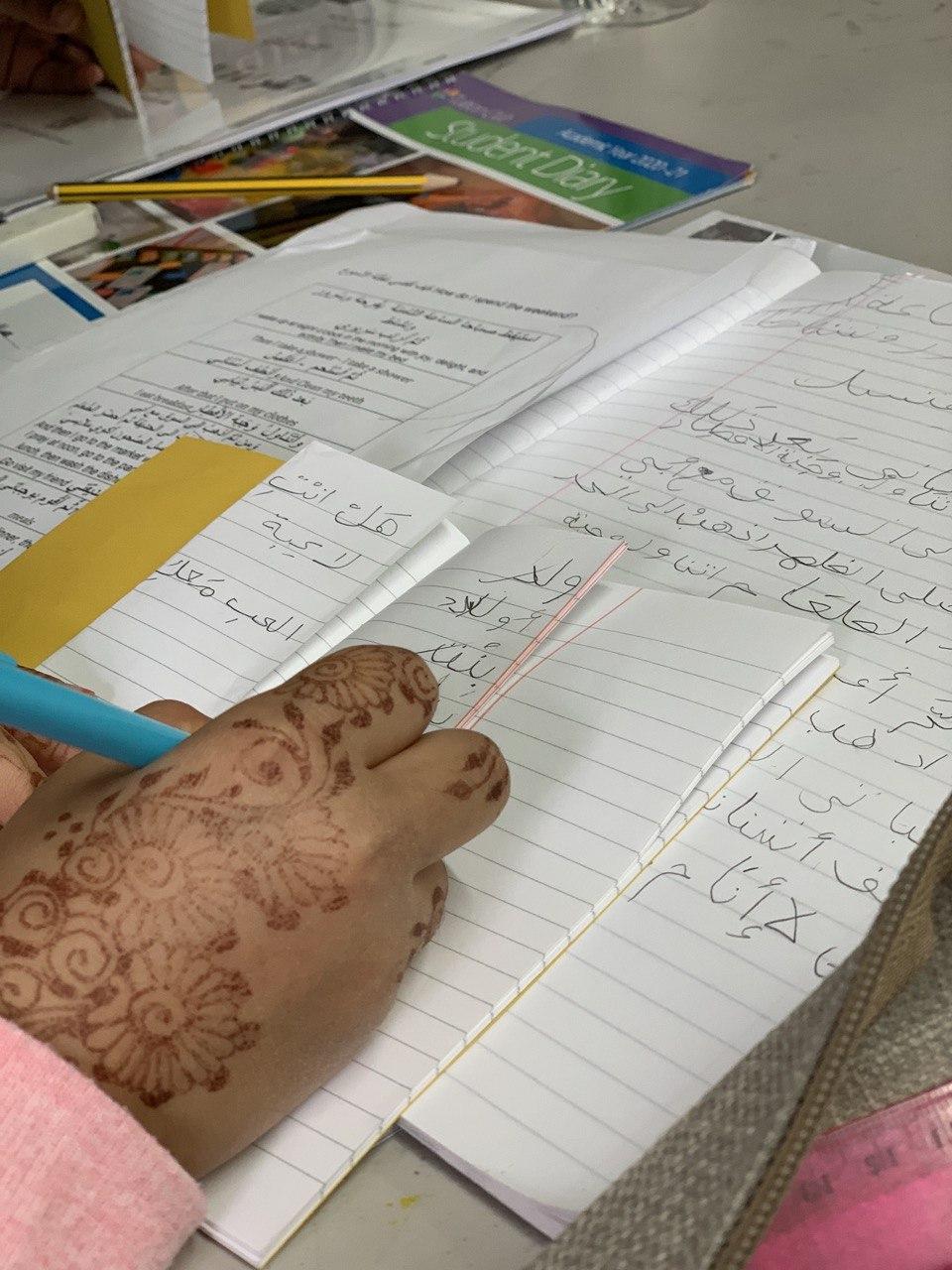
Our students aged 9-10 have being using their skills in Arabic to write about their day! The children have been pracising their vocabulary and have been speaking and listening over the past few weeks. This week the children have been able to write up about their day and use their skills accordingly! Like anything you teach your children, the earlier you expose them to the Arabic language, the easier it will be for them to learn and retain it. Children’s brains develop the quickest during their first five years of life. Childhood is a particularly important time for learning and there are many benefits to teaching your child another language. We at the tuition club believe that children who are bilingual become creative, flexible, more engaged in problem solving! The benefits of an additional language are endless!

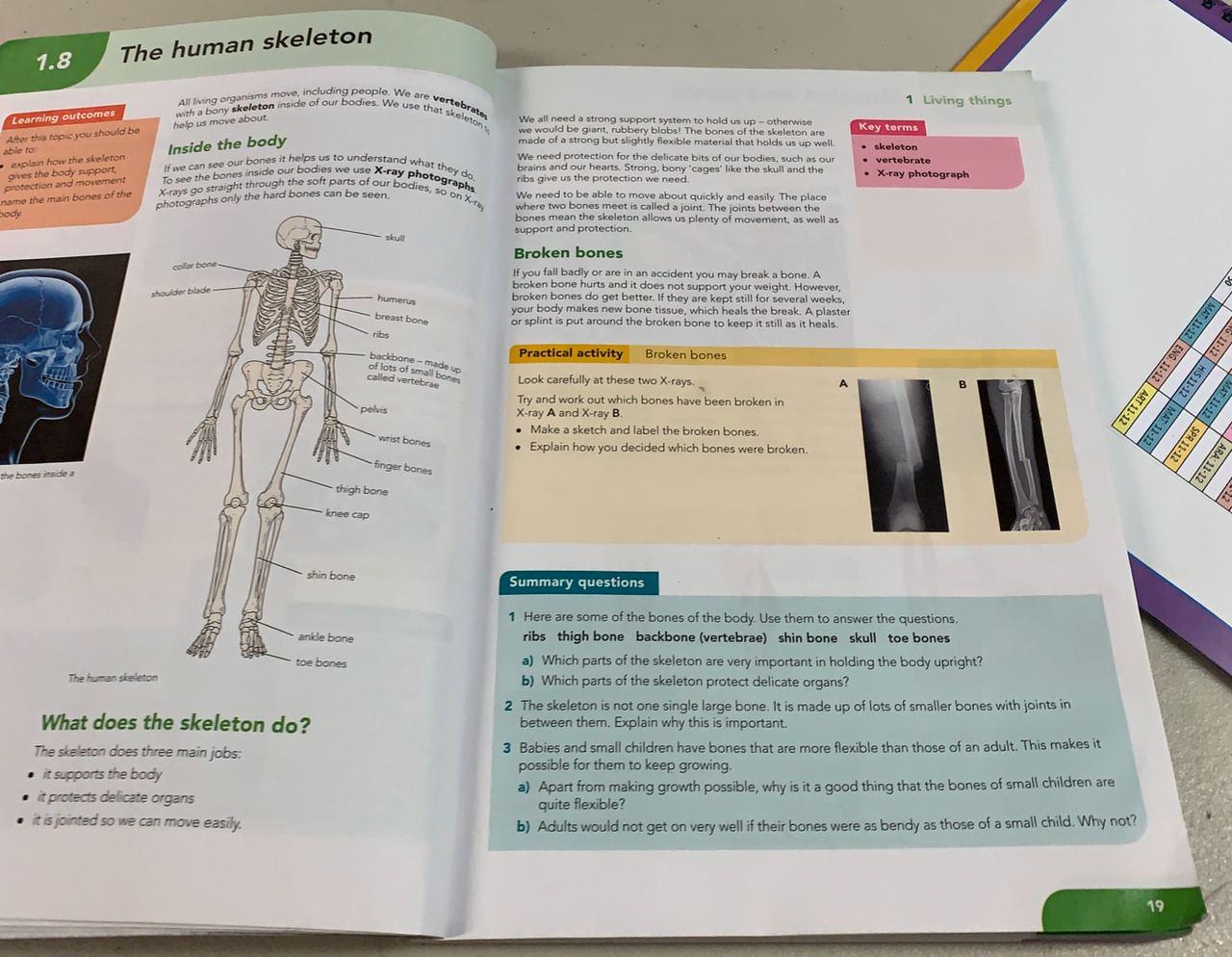
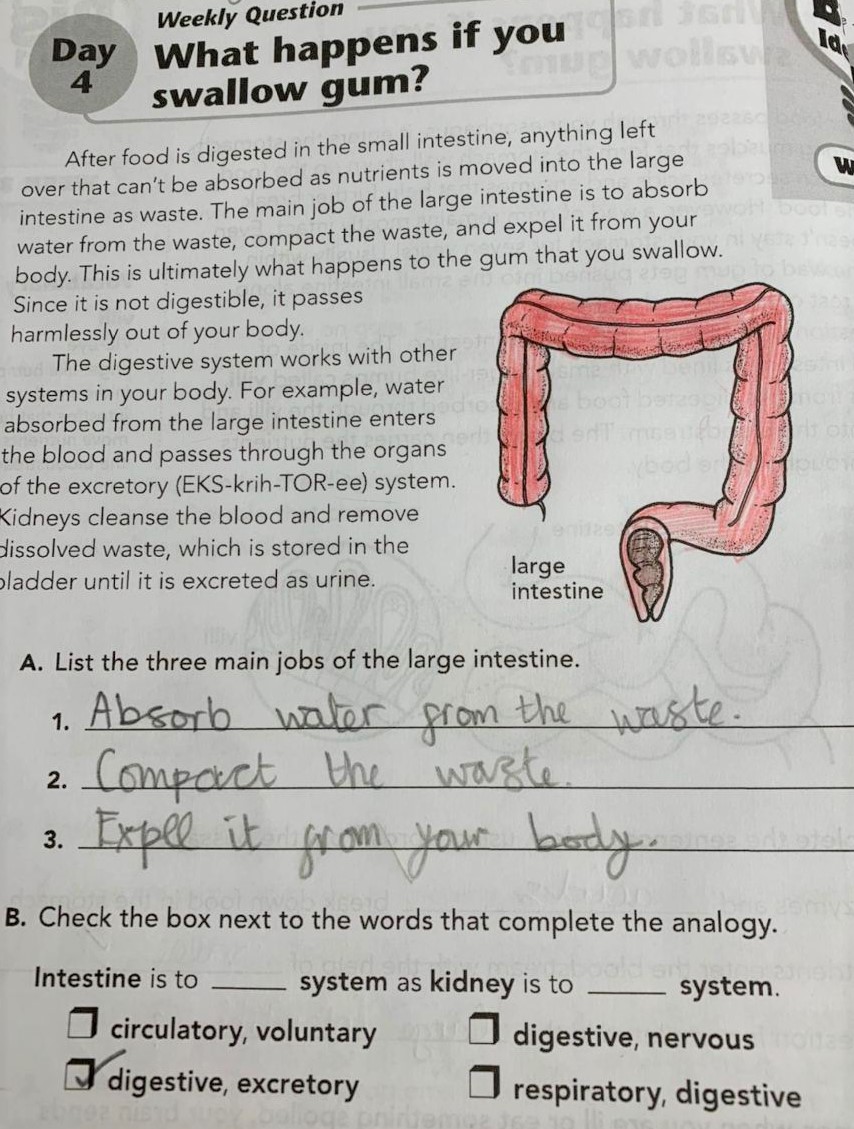
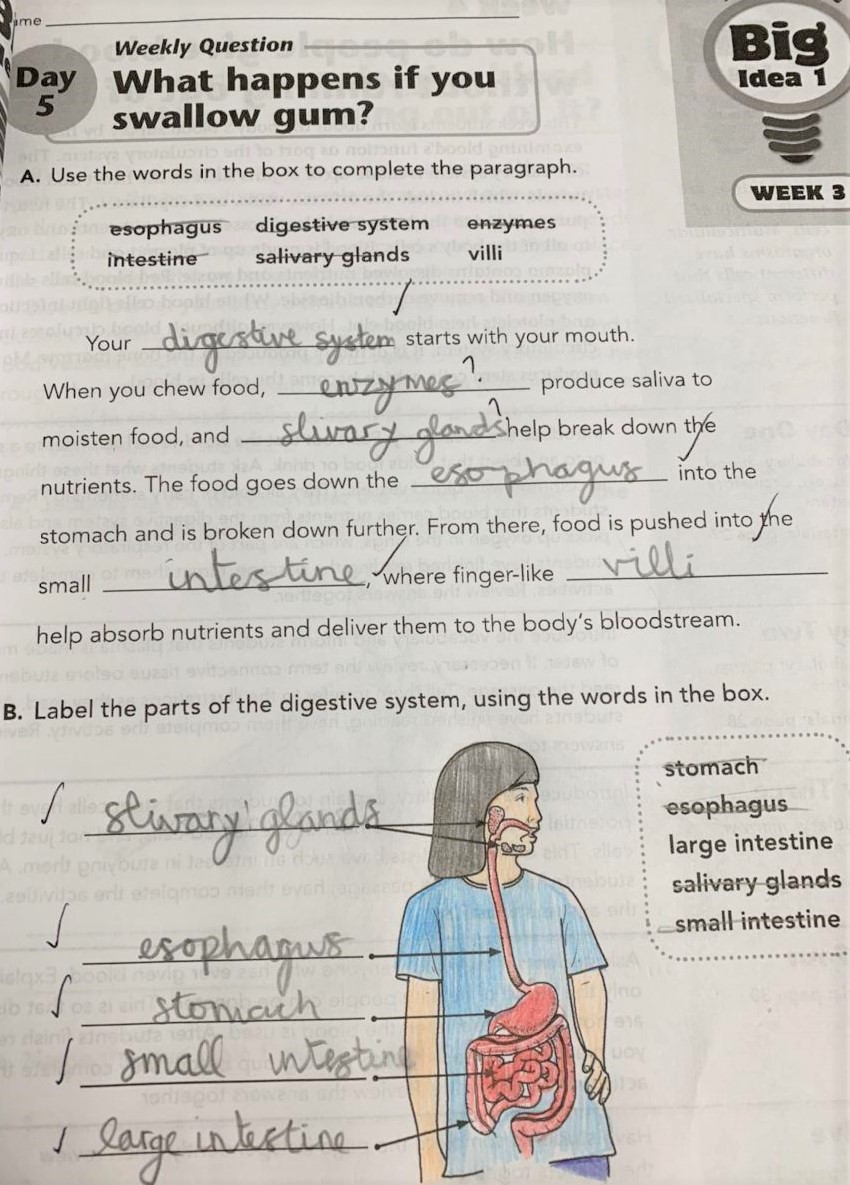
Our mini scientists ages 9-10, have been finding out what really happens when you swallow gum?. During their science investigation, children have been learning about the human digestive system. They can confidently label parts of the digestive system using vocabulary such as; Stomach, esophagus, large intestine, salivary glands and small intestine. Children shouldn’t chew gum until they fully understand the importance of not swallowing it. By age 5, most children will understand that gum is different than sweets and is not to be swallowed. Chewing gum is made of either natural or synthetic materials (gum resin), preservatives, flavorings, and sweeteners. The body can absorb sweeteners, such as sugar But the human digestive tract can’t digest the gum resin. It’s moved through the digestive tract by the normal pushing (peristaltic) actions of the gut. The gum’s journey ends during a trip to the bathroom!


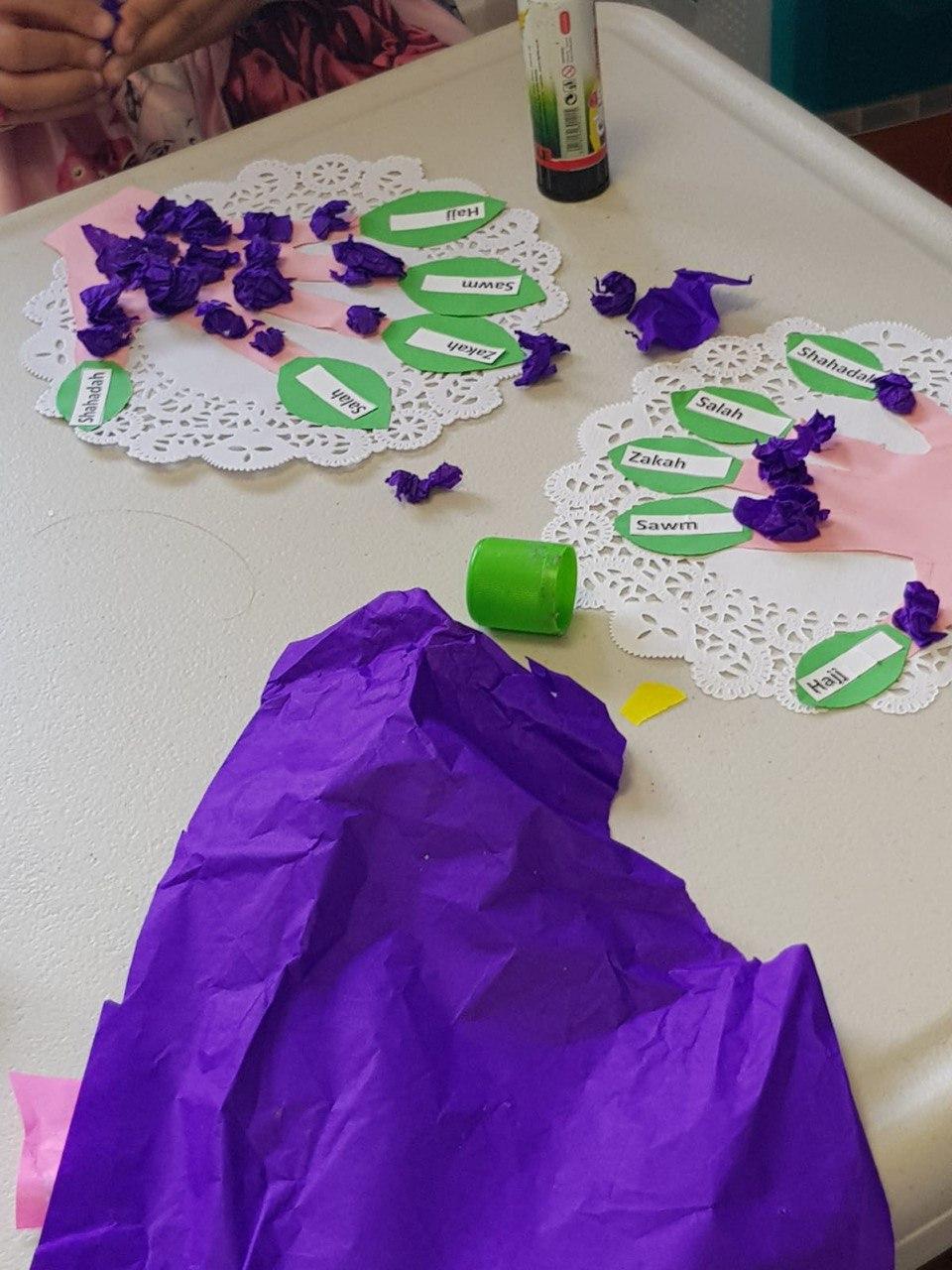
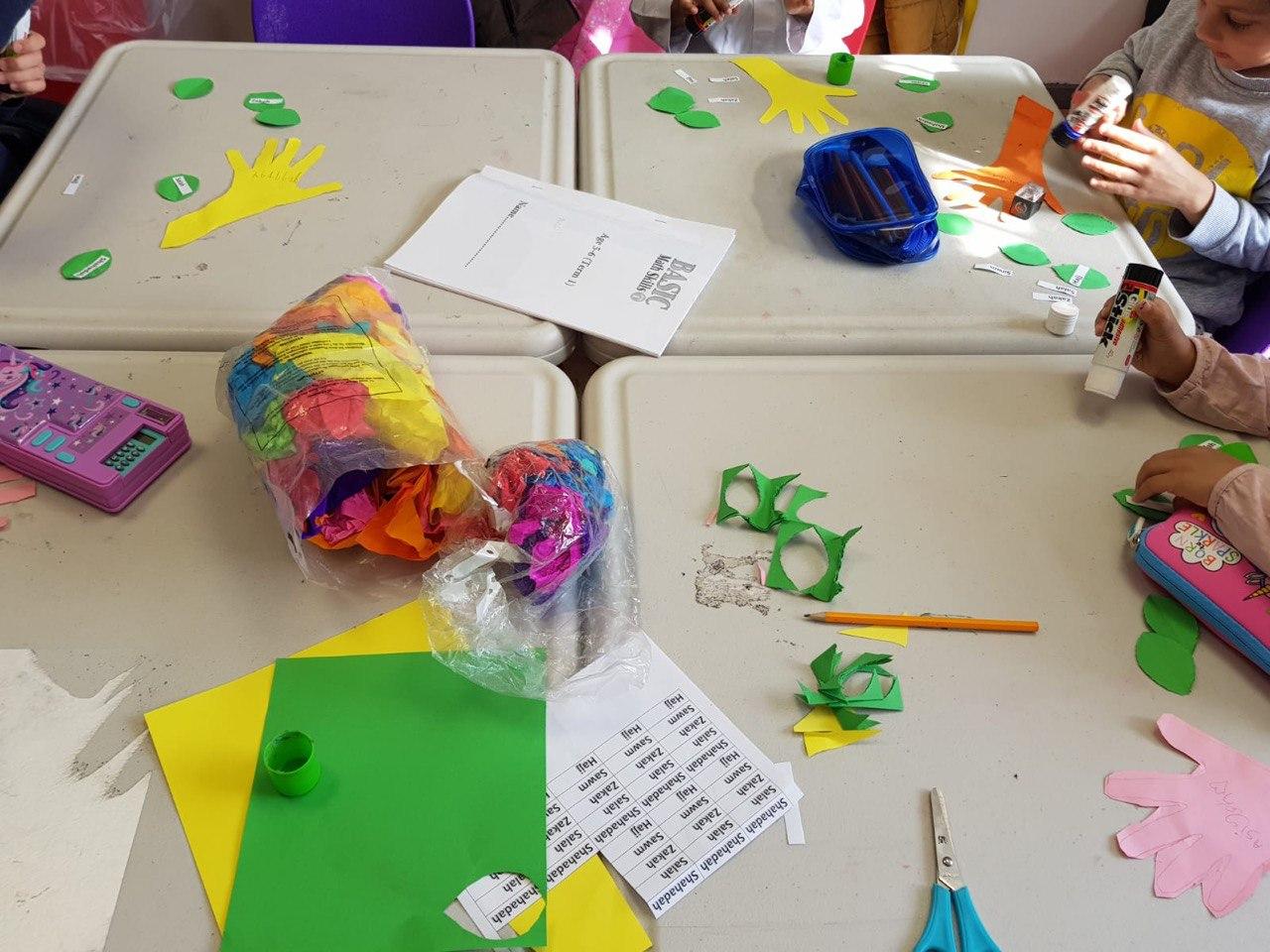
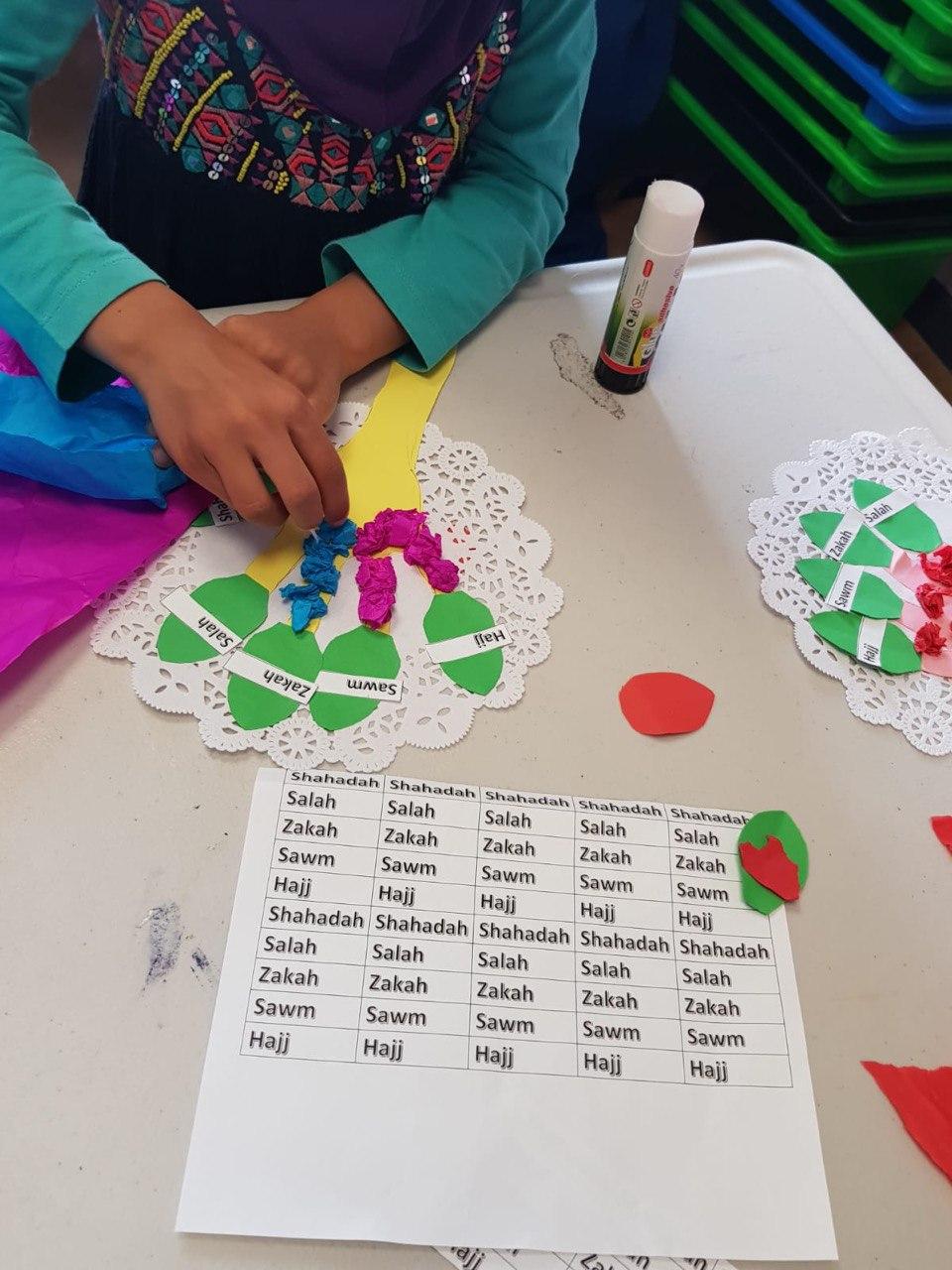
We have been crafting in Art! our students in class 6-7 have been crafting using paper and card as the primary artistic medium for the creation of one, two or three-dimensional objects. Paper craft lend themselves to a wide range of techniques and can be folded, curved, bent, cut, glued, molded, stitched, or layered. Paper is readily available and easier to work with than the more complicated media typically used in the creation of three-dimensional artwork, such as ceramics or wood. It is also neater to work with than paints, dyes, and other coloring materials. Paper crafts may also be used in theraputic settings, providing children with a safe and uncomplicated creative outlet to express feelings. The children throuroughly enjoyed their crafting session and were able to take home a proud peice of paper craft with the 5 pillars of Islam!

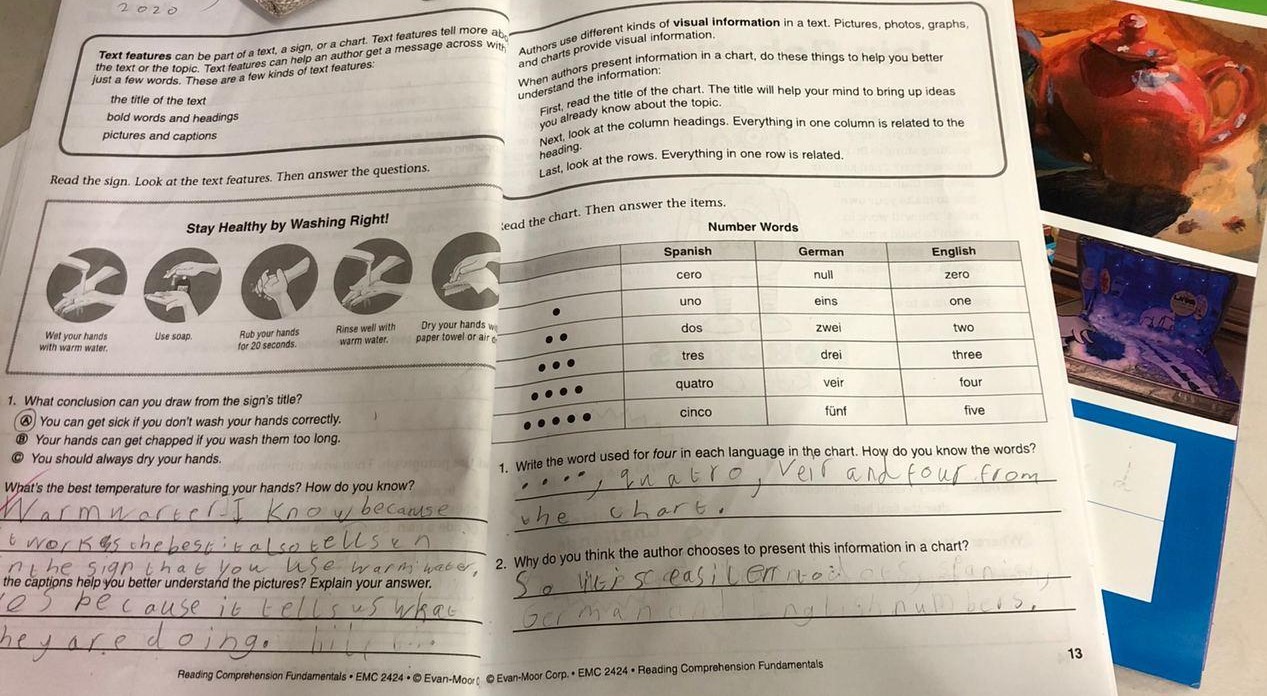
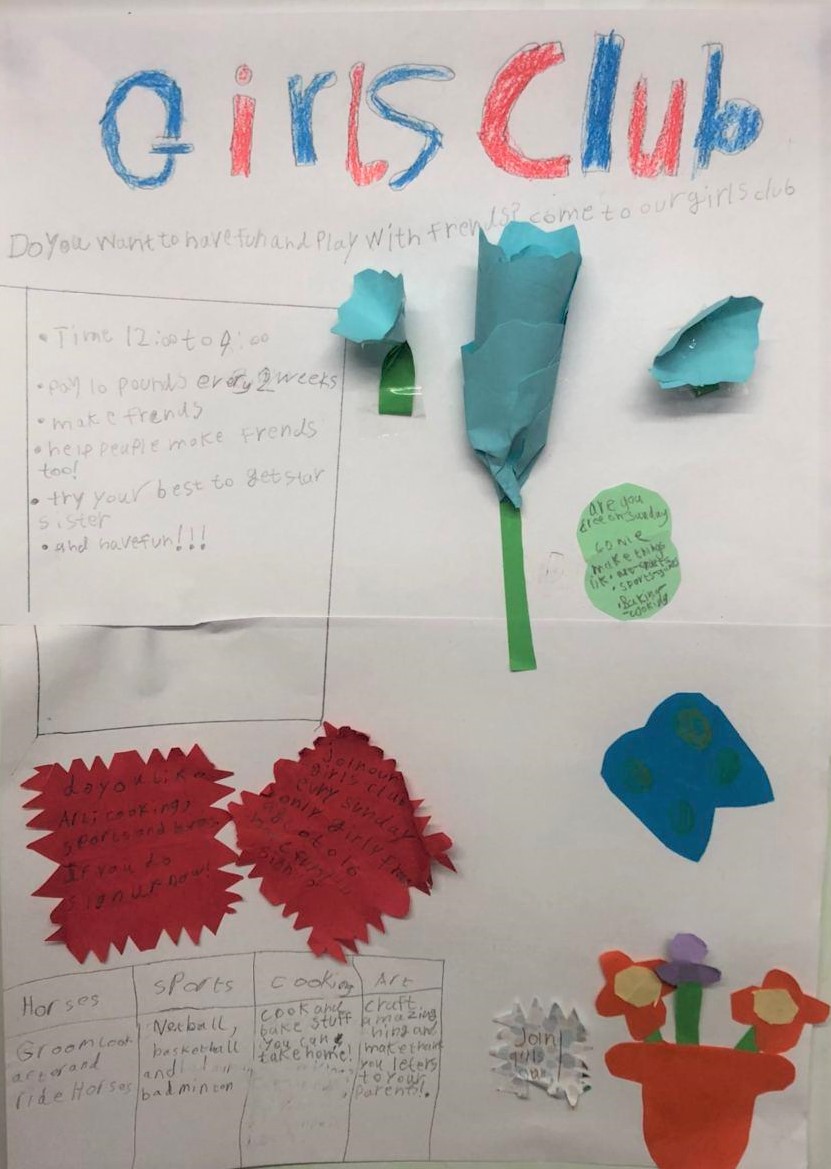
Students in year 4 have been learning about Text Features during their English lessons this week! The children took part in a fun challenge where they made their own posters using the text features that they have learned about. Text features include all the components of a story or article that are not the main body of text. These include the table of contents, index, glossary, headings, bold words, sidebars, pictures and captions, and labeled diagrams. Readers of all ages, especially struggling readers tend to skip over many of the text features provided within a text. To help readers understand their importance, the tutor asked the students take some time before reading to look through the photographs/illustrations, charts, graphs, or maps and talk about what they noticed. They then went on to make some predictions about what they’ll learn and started a list of questions they have based off of the text features which then were put together on posters!







You must be logged in to post a comment.