The Tuition Club Online is looking for excellent tutors to become part of our Online team. A fantastic opportunity to join us and shape the future!
Current Vacancies:
Maths Tutor
Science Tutor
English Tutor
Computing Tutor
We are looking for candidates who have an excellent teaching manner, classroom management and the willingness to conduct Online Tutoring. We welcome applicants from all subject specialisms as well as those looking to gain teaching experience.
Applicants must be able to tutor online one to one or in a group setting, have a passion for instilling a love of learning and eagerness. Flexible availability from Monday – Friday is required.
One of the most important characteristics of our Tuition Club is the safe and happy environment in which children, from many different cultures enjoy their learning together. We look for people who share our passion for providing high quality tutoring and supporting home schooling parents and students through their journey.
A line graph is a graph used to show changes over time, for example, changes in temperature through a day.
It is created by plotting points and joining them with straight lines.
As more than one line can be presented on the same graph (double or multiple line graph), line graphs are useful for comparing changes, which occur over the same period of time, for more than one group.
Students were guided through the process of drawing a line graph.
Students have been developing their understanding of using line graphs as a way of presenting data.
Children were asked to label the axes of line graphs and to interpret the data to answer questions.
They then moved on to more challenging activities using fluency, reasoning, and problem-solving questions.
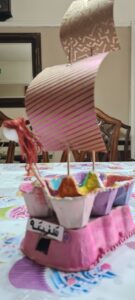
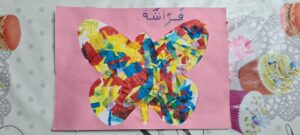
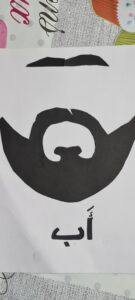
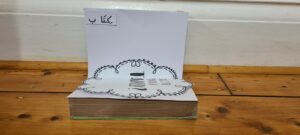
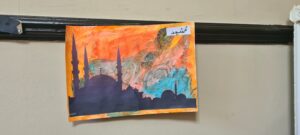
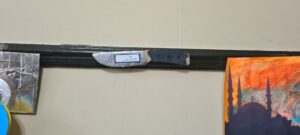
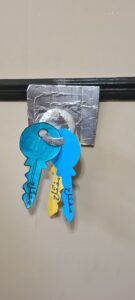
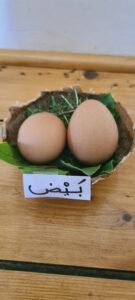
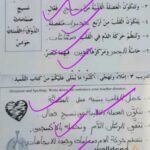
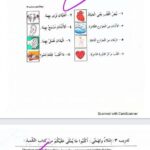
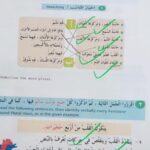
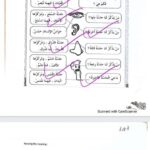
Some of our private students have been getting creative while learning Arabic vocabulary in the home.
By presenting and using objects in the home the students have been working on building their Arabic vocabulary and have had fun while doing this.
Tutors have then been able to check understanding using key questions during the online lessons.
Using a word mat with the vocabulary taken out. Can students remember the words?
If you say a word using the Arabic Language, can they draw the correct object?
To reinforce the basics, this cut, stick, and label activity has helped students associate objects and areas of the house as well as the Arabic vocabulary covered in various previous topics
As you can see the students have thoroughly enjoyed the experience!
Alhamdullilah Salafi Centre Online launched the kids Ramadhan course this year which ran over 3 weeks during Ramadhan.
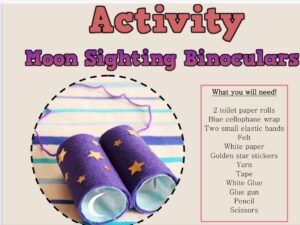
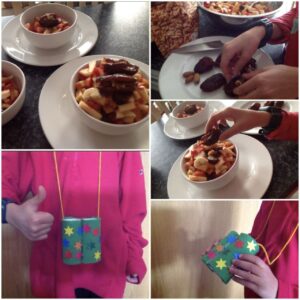
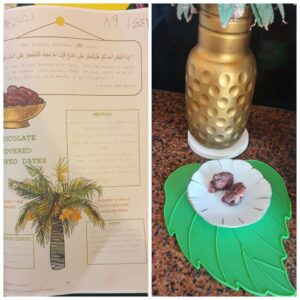
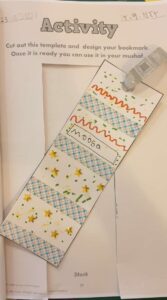
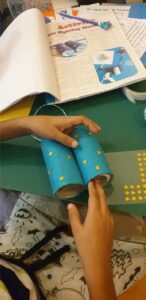
They covered a range of different topics taught in an interactive way using exciting visual presentations, quizzes, and even a chance to work on some crafts/models at home with the family.
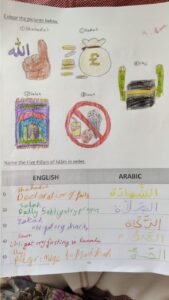
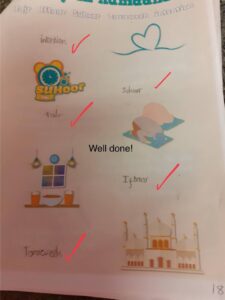
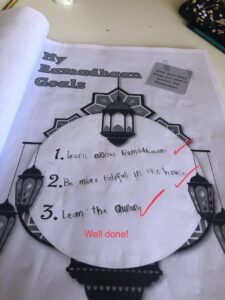
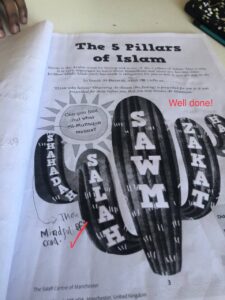
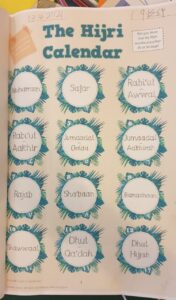
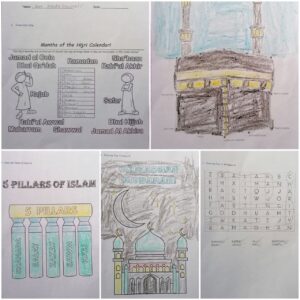
Students were provided a Ramadhan workbook to work through which included important topics all about Ramadhan.
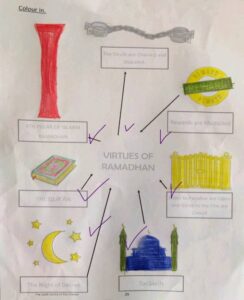
Topics discussed included, how to prepare for Ramadhan, reminders & encouragement to perform good actions, virtues of Ramadhan, My Ramadhan Goals, and much more.
Workbook activities such as Word Search and Crosswords were used to help in vocabulary building and students’ reasoning skills. Puzzles were used to identify and understand important key terms used within topics covered.
Different learning styles were taken into consideration when compiling the course materials and for the delivery of lessons, for example, a step-by-step reasoning approach was taken to benefit from the sequential steps of completing a crossword which helped auditory learners. Kinaesthetic learners were able to enjoy multi-task strategies required to solve the puzzles so these activities were beneficial to all learning types.
Instructional activities were also included which children completed themselves and with the family at home.
The course was designed for the children in order to teach them about the importance of Ramadhan with the focus on making them feel productive, engaged, and excited while learning about Islam.
Take a look at the course highlights that we have posted below!
The children have settled back for the new term here at Tuition Club Online and have been super busy getting stuck into many hands-on creative projects.
From time, we like to share the children’s work so that they feel appreciated and experience a sense of achievement for all their hard work and efforts during the term.
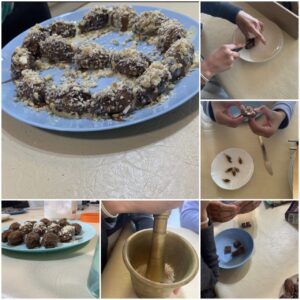
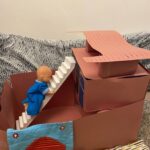
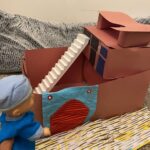
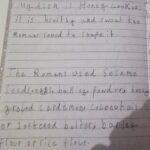
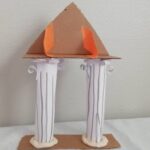
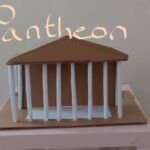
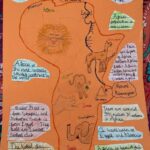
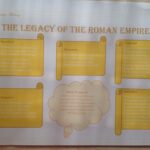
During History some of the children were set assignments and projects related to Ancient Rome.
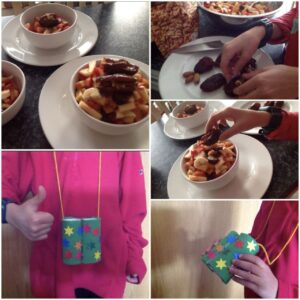
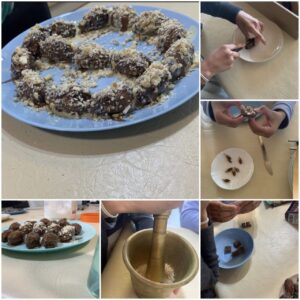
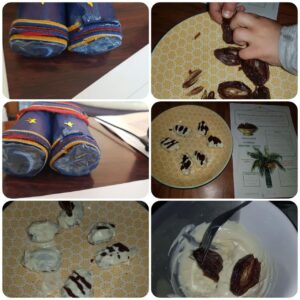
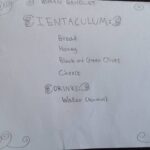
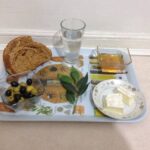
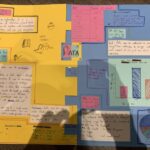
One of the projects included a Roman Food Dish whereby the children were given instructions on how to research ancient Roman food dishes and then were asked to recreate the dish for their Roman banquet. The children then wrote a summary of their chosen food dish and were then asked to create a ‘modernized’ version of the food dish to share with fellow students. The last part of the project involved writing a summary comparing and contrasting the food dish with the ancient Roman dish that they researched. Have a look at the images of their wonderful work that we have presented below.
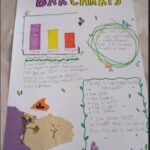
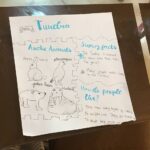
For Maths homework some of the students created posters on bar charts including information about what needs to be included in a bar chart and some examples. Using the session PowerPoint slides, the children could draw out key information and use as a guideline to complete their posters.
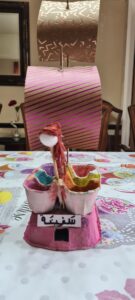
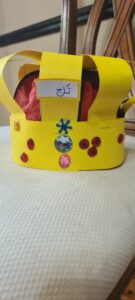
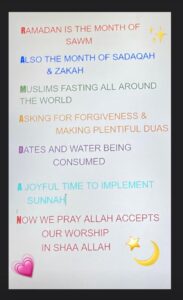
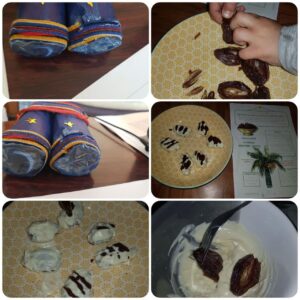
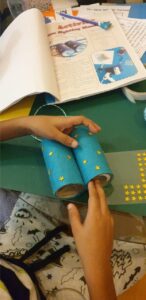
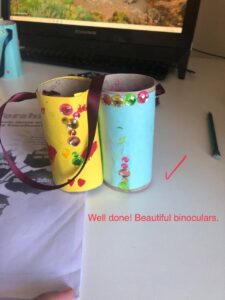
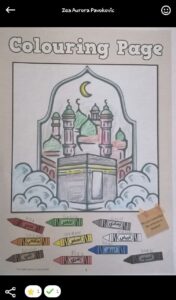
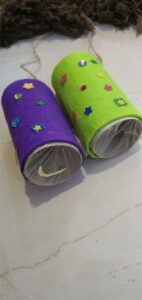
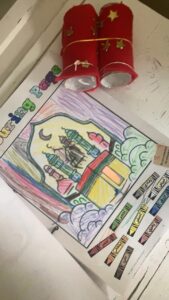
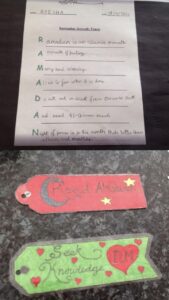
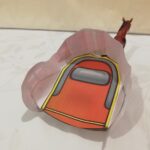
As we are in the month of Ramadhan the children also had fun creating some Arts and crafts. Some students created some paper lanterns and decorated the lanterns at home for the family to all join in and display. Last week the children also took part in a Ramadhan activity focusing on discussing the importance and virtues of Ramadhan which was a nice way to benefit from the remaining days of Ramadhan.
The Tuition Club Online is now closed for the remaining days of Ramadhan & Eid and will resume week commencing Monday 17th May 2021 In shaa Allaah.
We hope you all have a lovely break and benefit from the remaining days of Ramadhan and wish you all a wonderful blessed Eid.
Our age 6-7 online students have been learning how to tell the time to the nearest minute and hour on an analogue clock.
Knowing how to tell the time accurately is a very important skill.
The children have been using the language including ‘past’ and ‘to’ when telling the time and have been using Roman numerals on clock faces when answering questions which has helped practise fluency, reasoning, and problem-solving questions.
On a standard analogue clock face, there are 12 hourly increments. These are sometimes represented by Roman numerals.
Roman numerals up to VII represent the hours in a day.
Once children have mastered how to tell the time to the nearest minute, they can progress to telling the time past the hour.
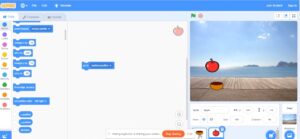
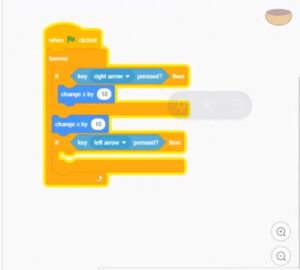
Our online computing students have been learning about algorithms and programming using scratch.
The children have been focusing on how to use the program to create, move and size characters and then how to sequence instructions including the use of a repeat command.
Using Scratch, the children are learning to solve problems, design projects, and express themselves creatively using the computer.
The students have also been using Code.org and have been presented with additional home learning resources to develop their computer skills at home.

































You must be logged in to post a comment.