Exploring Earthworms- Miniature Ecosystem

Our home-schooled children have been working together to make a mini-ecosystem for earthworms, using a soda bottle and a little creativity.

As with all other organisms, earthworms occupy a certain niche: They are both decomposers and consumers, feeding on things like decomposing remains, manure, and other small underground organisms like nematodes, bacteria, fungi, and rotifers.

Earthworms breathe by coating themselves with mucus, which allows dissolved oxygen to pass into their bloodstream, so living conditions must be moist and humid, or else the worms will dry up. They are ecologically important because they loosen and mix up the soil, enabling water and nutrients to seep through to plant roots. Since they can’t walk, earthworms move with tiny bristles, or setae, which are paired on each of their segments and grip onto the worms’ tunnel walls. Then the worms push themselves forward with strong muscular contractions.

Continue reading

Sheep Heart Dissection in Science!

By studying the anatomy of a sheep’s heart, children learned about how our own heart pumps blood through your body and keeps us alive.

The experience of dissecting real animal material adds an extra dimension to understanding the structure of the heart and the relationship of structure to function.

The activity allowed the children to investigate and explore the texture and thickness of the vessel and chamber walls, and the movement of the different kind of valves.

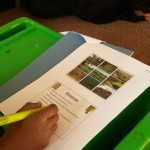
Using handouts with pictures/diagrams the children could also see what was going on with the heart in different stages of the dissection.

Wood Workshop – 08/05/2018

Today our home-schooled students participated and made their own sweet dispensers.

Process: Pieces of wood had to be cut down to size and shape, they were then sanded down by the students, who then had to utilise the drill press, slot the parts together and use a glue gun.

All safety protocols were explained to the students beforehand, protective eye wear and ear muffs were likewise provided.

Continue reading

Science

Take a look at the pictures below, showcasing the experiments & activities that take place in our science lessons!

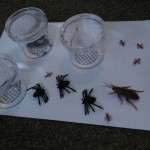
Bug collecting
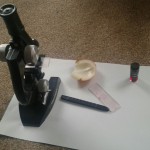
Looking at an onion membrane through a microscope.
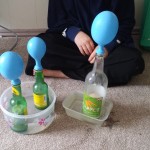
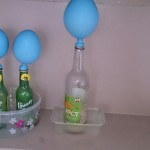
Balloons were blown up by bubbles of carbon dioxide.
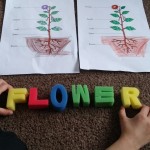
Students learning about flowers!

Young Learners Work

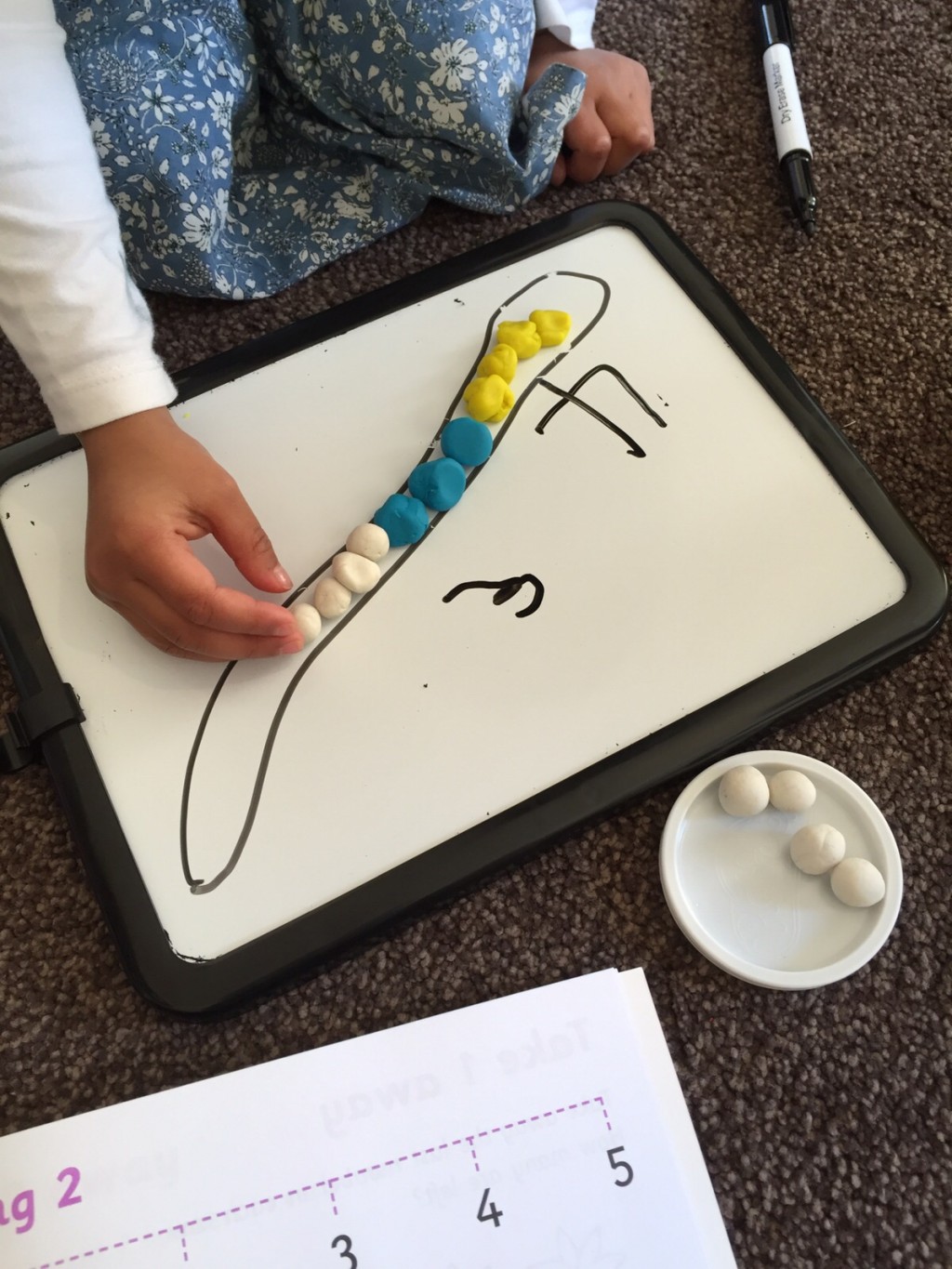
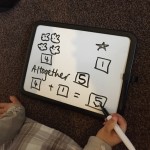
Maths advanced: addition, preparing to use a timeline for addition
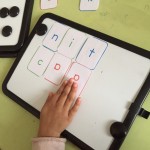
English advanced and beginners
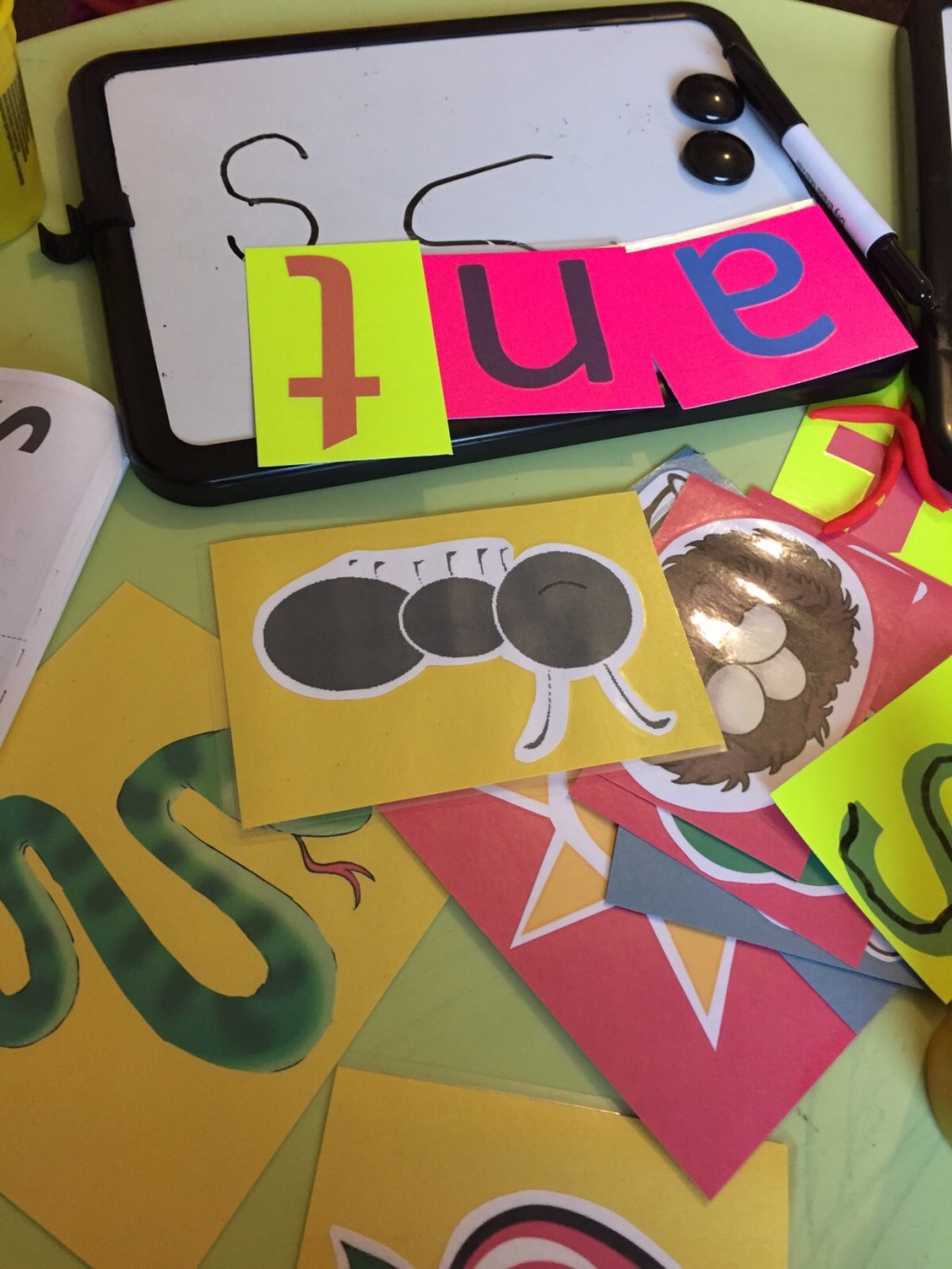
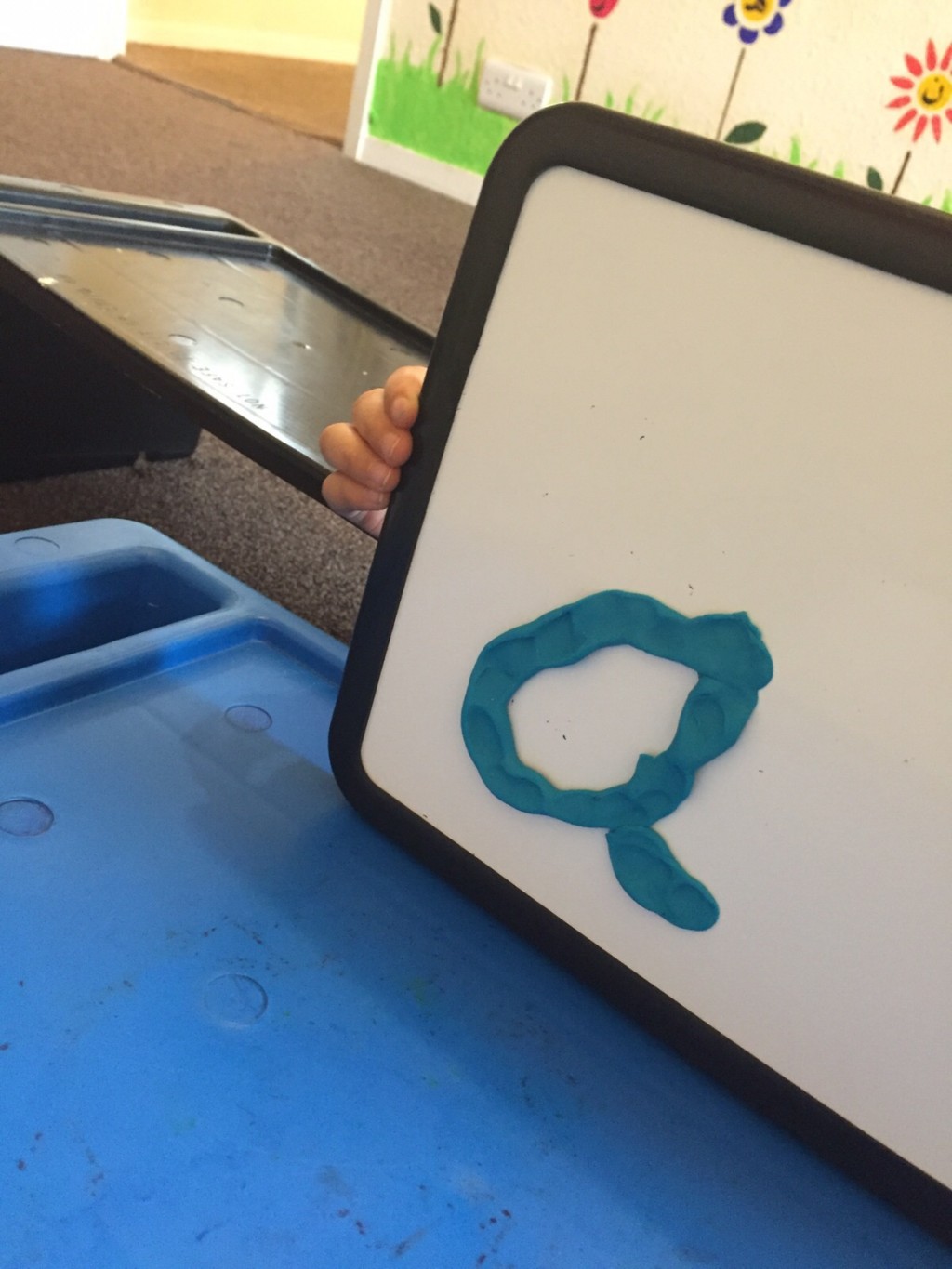
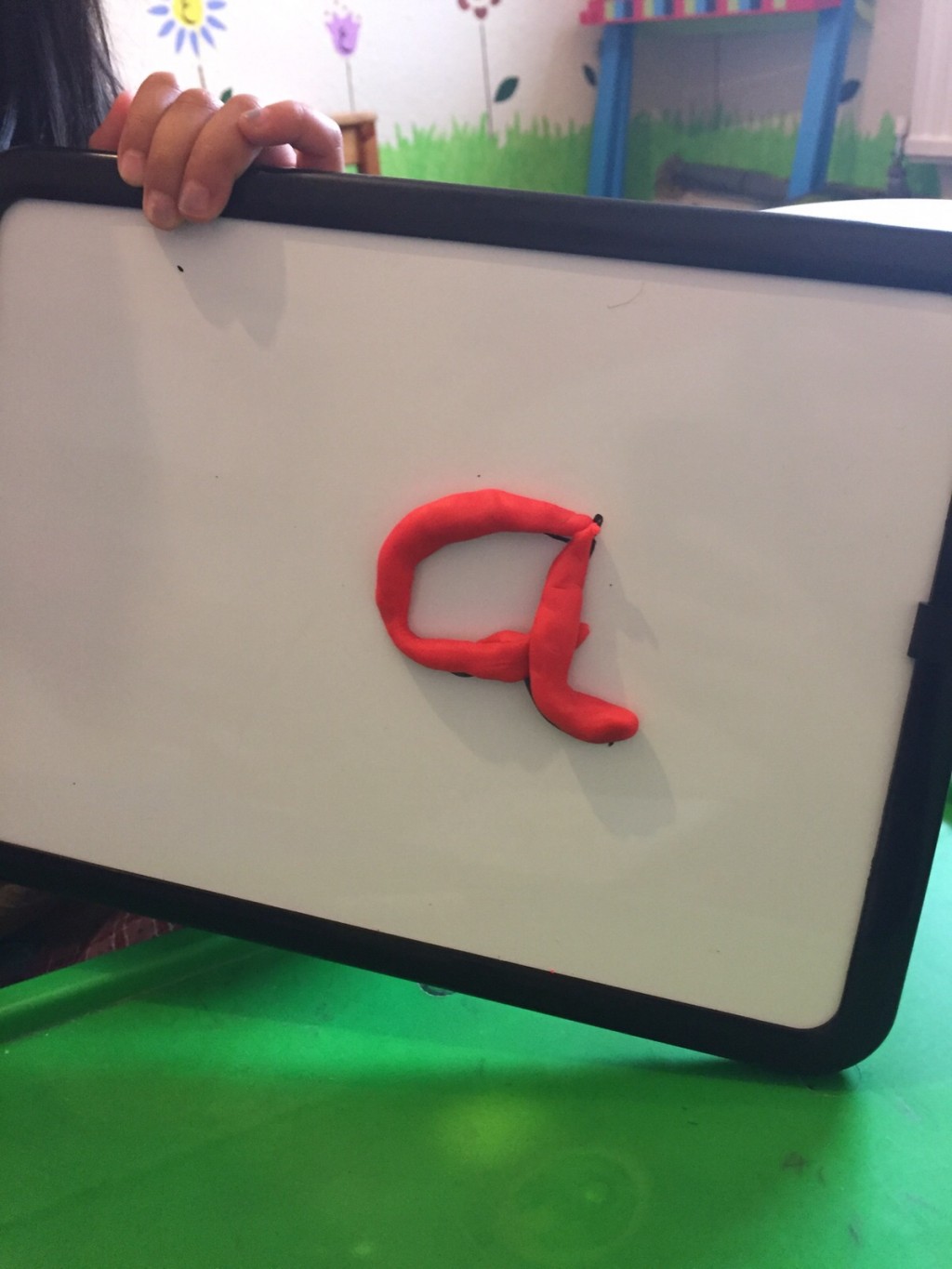
Learning how to spell and write
Learning to spell and write
Simple spelling and reading
Addition and making sums
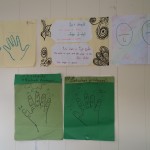
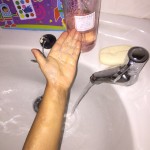
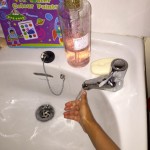
Teaching children how to wash their hands properly
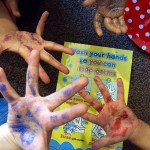
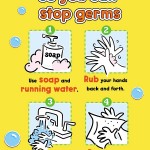
Teaching children how germs are spread
Teaching children how to wash their hands properly
Poster used in class

Pin It on Pinterest